A Little Extra Value from WrapJax - $50 & $100 OFF. Absolutely FREE!
Read More
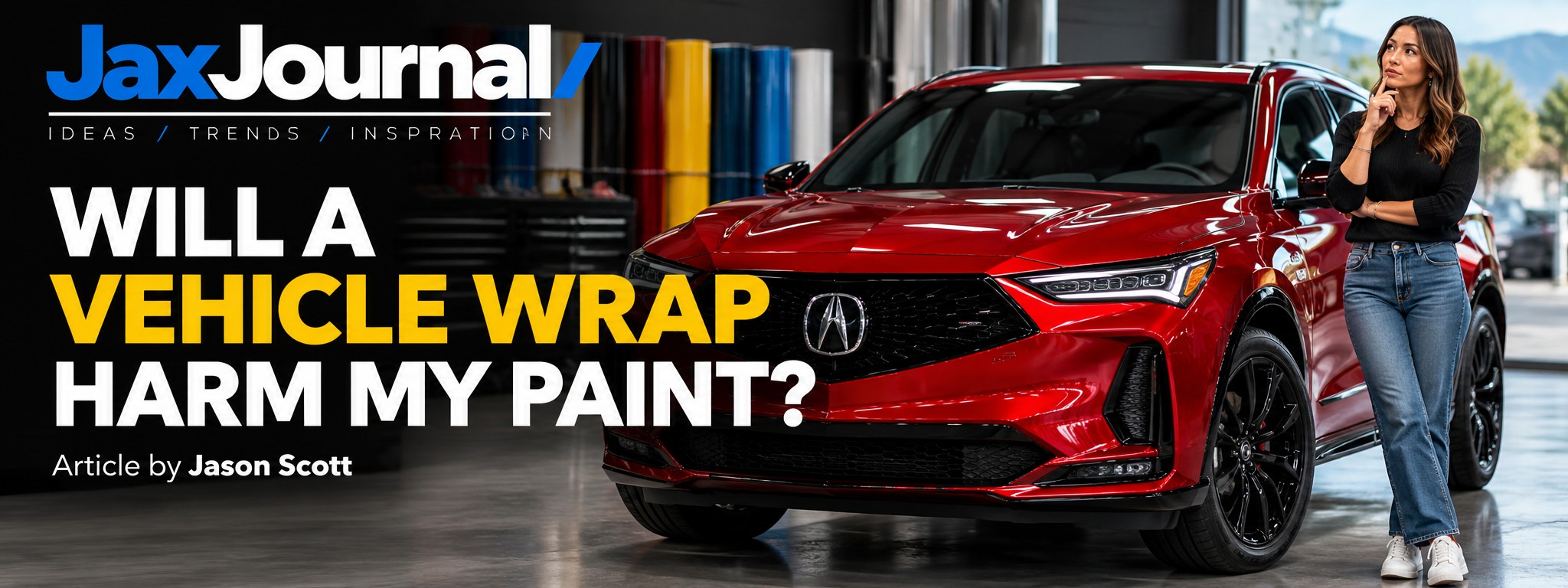
It’s one of the most common questions we hear. The short answer? On healthy factory paint, a professionally installed and properly removed vehicle wrap should not harm the finish underneath. In fact,…
It’s one of the most common questions we hear. The short answer? On healthy factory paint, a professionally installed and properly removed vehicle wrap should not harm the finish underneath.
In fact, while a wrap is installed, it can help protect the covered paint from everyday exposure to sunlight, road grime, minor scratches and environmental contaminants.
But there’s an important qualifier: the condition of the paint before the wrap goes on matters.
Start With a Visual Inspection
Before wrapping any vehicle, take a close look at the existing finish. You don’t need to be a paint expert to spot many of the warning signs.
Look for peeling or flaking clear coat, bubbling paint, rust or corrosion, deep scratches, rock chips, cracking, areas where paint is already lifting, or evidence of previous body and paint work.
Pay particular attention to bumpers, hoods, roof edges, rocker panels and other areas that may have been repaired or repainted.
Factory paint in good condition is generally an excellent surface for vehicle wrap film. Previously repaired or repainted surfaces require more caution. The wrap film adheres to the surface beneath it, and if that paint or clear coat does not have a strong bond to the vehicle, removal of the vinyl can potentially expose the existing problem.
In other words, the wrap doesn't necessarily cause the paint failure—it may reveal a weakness that was already there.
What Happens When It's Time to Remove the Wrap?
Vehicle wraps aren't permanent, and that's part of their appeal.
When quality wrap film is installed over healthy automotive paint and removed professionally within its recommended service life, it should generally come off cleanly without damaging the factory finish.
Age matters, however. Leaving vinyl on a vehicle far beyond its intended lifespan can make removal more difficult and time-consuming. Sun exposure, climate, film type, vehicle storage and maintenance can all affect how a wrap ages.
That’s why we recommend thinking about removal as part of the wrap’s lifecycle—not something to worry about years after installation.
What About a Leased Vehicle?
Wrapping a leased vehicle can be a great way to personalize it—or turn it into a branded business vehicle—without making a permanent change.
But there is one important first step: check your lease agreement and obtain approval from the leasing company if required. Lease terms vary, and you should never assume that every leasing company has the same policy regarding vehicle wraps.
The goal is simple: install the wrap over a sound factory finish, care for it properly, and have it professionally removed before returning the vehicle.
A Wrap Doesn't Fix Bad Paint
A vehicle wrap can transform how a vehicle looks, but it isn't a substitute for proper paint and body repair.
Vinyl tends to follow the surface underneath it. Chips, peeling clear coat, rust, dents and other defects may remain visible—and unstable paint can create problems during installation or eventual removal.
If you're unsure about the condition of your vehicle, have it inspected before moving forward with the wrap.
The Bottom Line
Will a wrap harm your vehicle's paint?
On healthy factory paint, when the right materials are professionally installed, properly maintained and removed correctly within their intended lifespan, it generally should not.
The bigger question is whether the paint underneath the wrap is ready for one in the first place.
Article by Chet Grapton | JaxJournal
Was this article helpful?